
Villa da Filicaja · Tuscany
A family story
since 1452
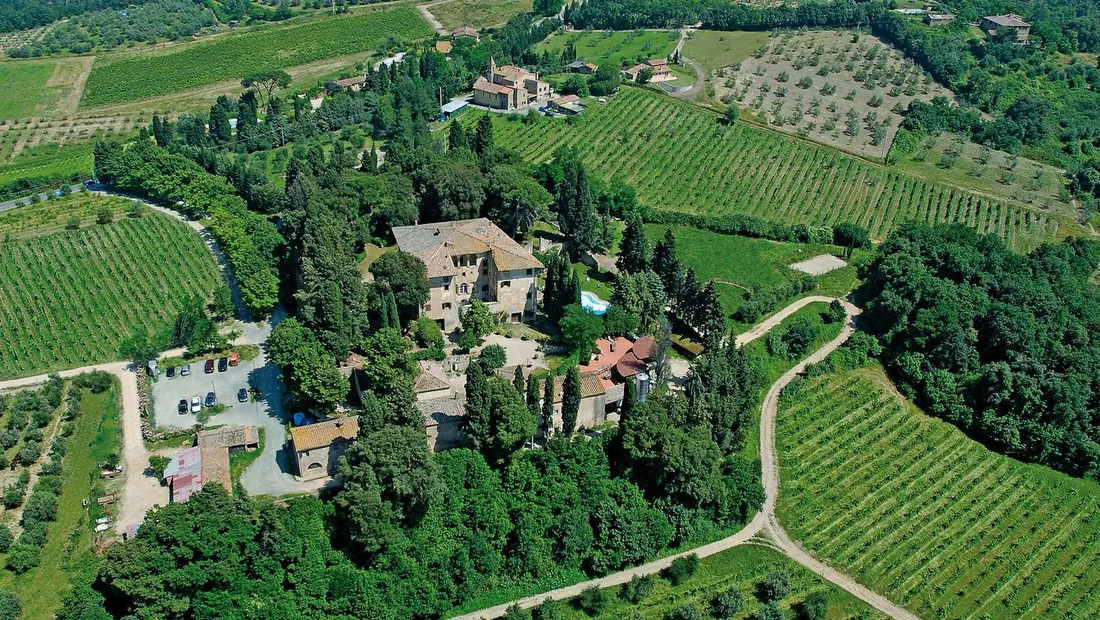
Between Florence and Volterra, Villa da Filicaja lies at the heart of a historic estate that has been in the da Filicaja family for more than five centuries.
Generation after generation, the family has cared for this land, its vineyards, its olive groves and the landscape around it.
Today the Tenuta da Filicaja carries this story forward through its care for the land and the making of its wines, honouring a tradition that is part of the history of Tuscany.
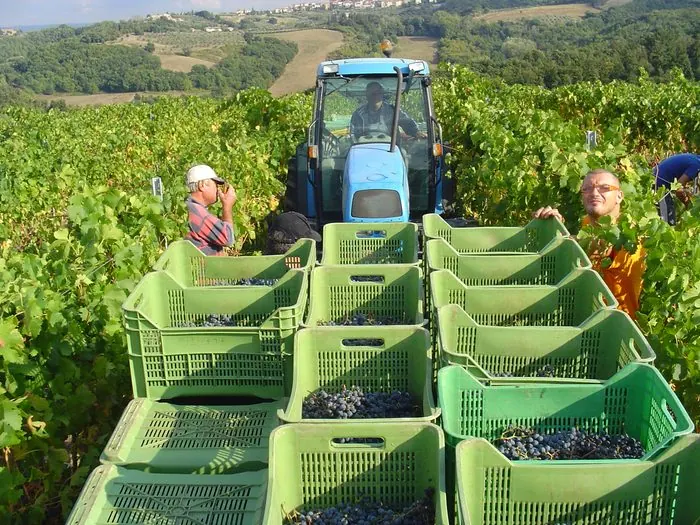
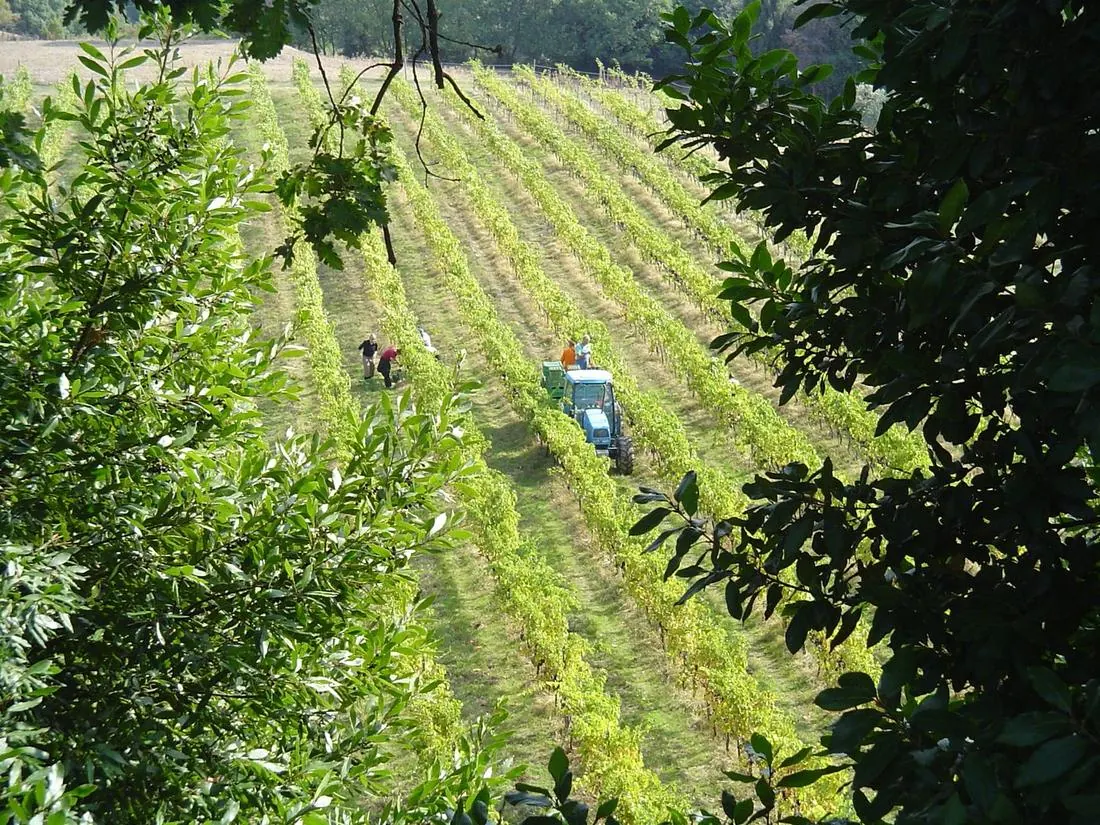
Harvest time on the estate: picking grapes between the rows.
Our history
One estate, one family, five centuries
The history of Villa da Filicaja is inseparable from that of the family whose name it bears.
The Tenuta da Filicaja was founded in 1452, when Ser Giovanni da Filicaja bought its first plots of land. Since then, across generations and centuries of history, the bond between the family and this land has never been broken.
Vineyards and olive groves, woods and hills still tell of this long continuity today. It is a story of people, of work and of care for the land, and it lives on in the wines of the Tenuta da Filicaja.

The Owner
Count Antonio Nardi-Dei da Filicaja
Guardian of the estate and its history, he carries on the family's winemaking tradition while also looking beyond Tuscany: in recent years production has extended to some of Italy's finest wine appellations, in the name of quality and diversity.
From Tuscany to Italy
A story that continues
Ever since the estate was founded, the story of the da Filicaja family has been intertwined with that of the land and of winegrowing.
Over the centuries this bond has evolved, giving rise to an enterprise that today reaches beyond the boundaries of the historic estate and includes several of Italy's most important wine regions.
Our roots remain in Tuscany. Today our gaze takes in all of Italy, with its extraordinary diversity of landscapes, grape varieties and traditions.
The range
The wines of Filicaja
From Chianti, born in Tuscany, to Italy's great appellations: every label expresses the character of its own land.